Pilot Development Phase
Restore & Reboot is currently in an early pilot development phase focused on learning, organization, safety, and operational planning.
The goal of this phase is to better understand how responsible electronics refurbishment and reuse initiatives can be developed thoughtfully and sustainably.
This stage is centered on:
hands-on learning
process development
safety research
documentation
organizational structure
community collaboration
The pilot phase is intentionally small and educational in scope.

We are beginning by gathering older, unused, donated, and non-working electronic devices from friends and family in order to better understand:
common device conditions
refurbishment challenges
sorting and categorization
storage and organization needs
responsible handling procedures
Initial pilot devices may include:
laptops
desktop computers
keyboards and mice
monitors
cables and accessories
tablets
networking equipment
1. Device Collection & Initial Intake
2. Inventory & Organization
One focus of the pilot phase is developing organized inventory and tracking procedures.
This includes learning how to:
categorize devices
document condition
label equipment
organize storage
maintain tracking spreadsheets
create intake records
develop repeatable workflows
The goal is to build structured operational habits from the beginning.
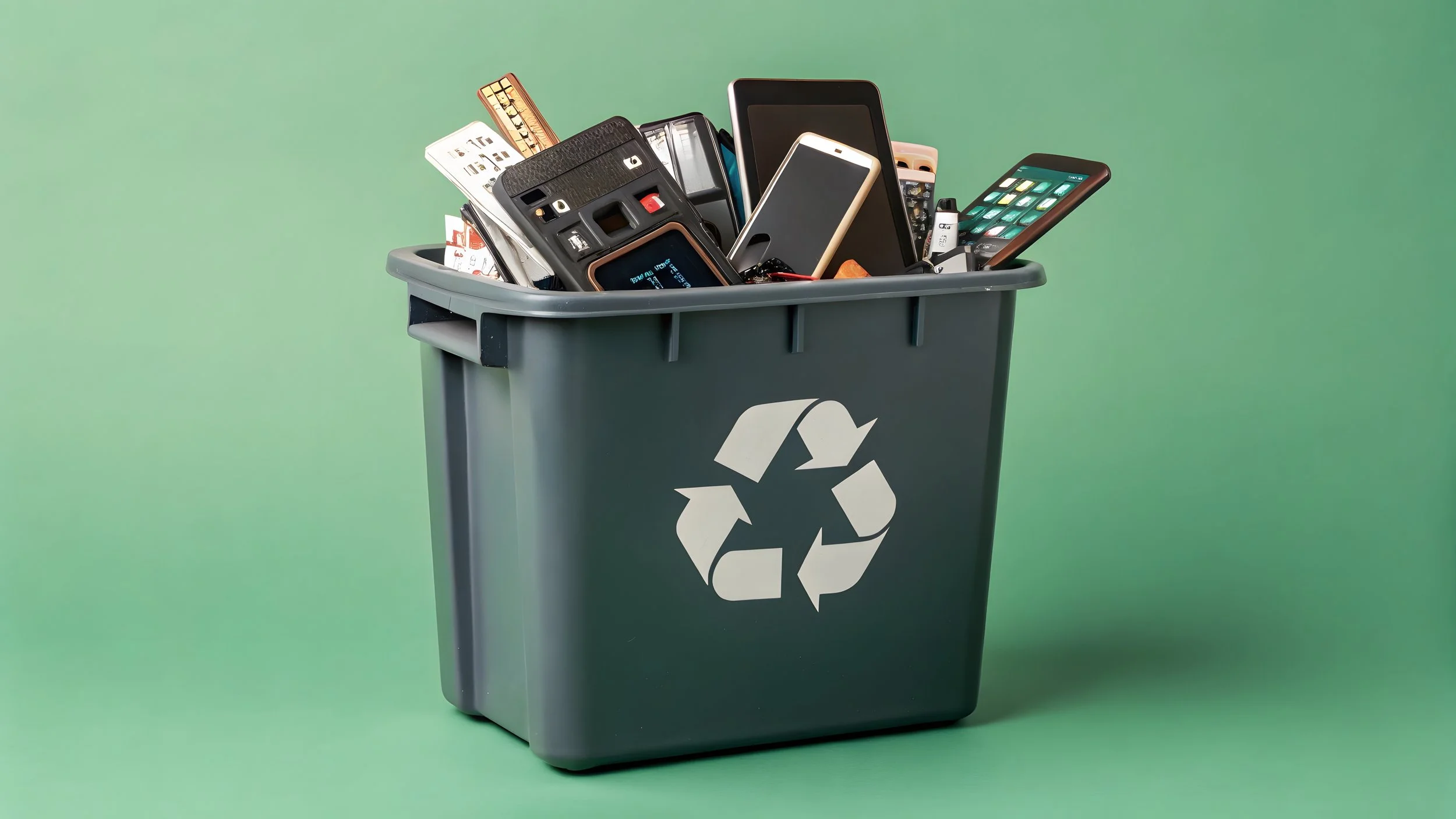
The pilot phase also includes developing basic standard operating procedures (SOPs) for:
device intake
sorting
storage
cleaning
inventory tracking
data handling
testing workflows
quality control
recycling procedures
Developing written procedures helps support consistency, safety, accountability, and long-term sustainability.
3. SOP & Workflow Development
Learning safe and responsible handling practices is a major part of the pilot phase.
Topics being explored include:
safe handling of electronic equipment
battery safety awareness
workspace organization
proper lifting and storage
identifying damaged components
responsible recycling practices
environmental considerations
basic electrical safety awareness
The pilot phase prioritizes careful learning and responsible handling over speed or scale.
4. Safety & Responsible Handling

The pilot phase also includes learning about:
data privacy
responsible data handling
secure device preparation
importance of protecting personal information
ethical technology reuse practices
Understanding responsible data practices is considered an essential part of electronics refurbishment.
5. Data Privacy & Digital Responsibility
Restore & Reboot is also using the pilot phase to learn more about:
electronic waste
sustainability
reuse and recycling systems
environmental impact of discarded electronics
extending device lifespan responsibly
This helps connect technology learning with environmental awareness and community responsibility.
6. Sustainability & E-Waste Awareness

The pilot phase includes designing and organizing a small workspace for:
inventory management
device sorting
cleaning and testing
documentation
tool organization
safe storage
Learning organized workspace practices is considered an important part of building sustainable operational habits.
7. Workspace Development & Organization
Part of the pilot phase includes learning how to:
document procedures
maintain records
organize files
track progress
manage shared project resources
maintain operational consistency
Documentation helps preserve learning, improve processes, and support future growth.
8. Documentation & Project Tracking

The project also encourages:
teamwork
communication
collaboration
shared responsibility
peer learning
mentorship
The pilot phase is intended to create hands-on learning opportunities for students working together on technology and organizational skills.
9. Teamwork & Collaboration
A key part of the learning process involves:
diagnosing problems
testing solutions
troubleshooting hardware
adapting workflows
learning from mistakes
improving processes over time
The pilot phase emphasizes curiosity, patience, and iterative learning.